
Orange (Amber, Ramato) Wines
What are orange wines
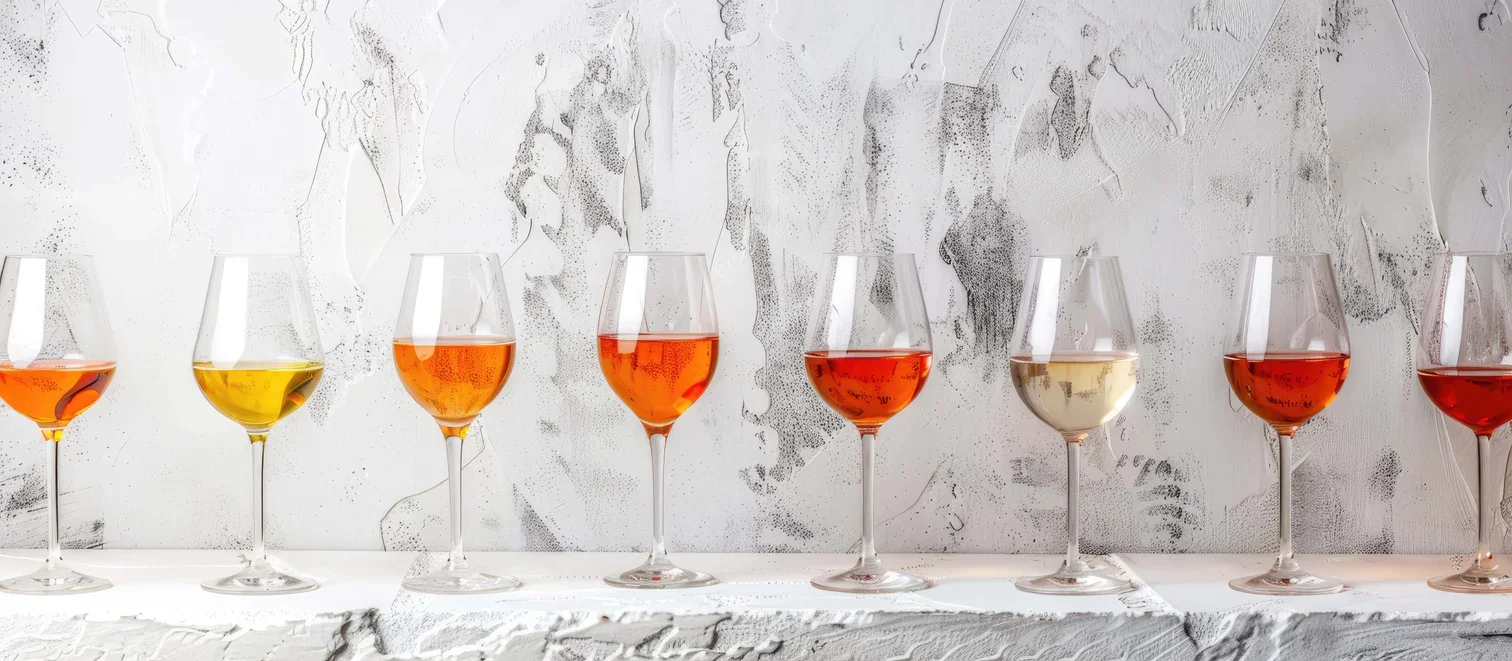
Orange (aka Amber, aka the Italian word Ramato “Auburn”) wines are wines made from white grapes that are handled as winemakers typically handle red grapes. That is, instead of crushing the grapes, minimal skin contact and then fermentation of the must separately from the solids, orange wines are made by crushing the grapes then allowing maceration with the skins, pips and (sometimes) stems to extract color, tannins and other compounds from the solids. But that’s just a starting point. The aromas of dried fruits, cedar, wax and spices… the color (largely derived from lignins in the grape seeds), the texture on the palate (dry and a bit austere balanced by the fruitiness of most of the grapes typically used)… the finish, which can last for many minutes…
“After all, orange wine isn’t just about treating white wine like red. It’s also a meditation on how wines were made before the benefit of refrigeration or technology that allowed tidy pressing of grapes. ”
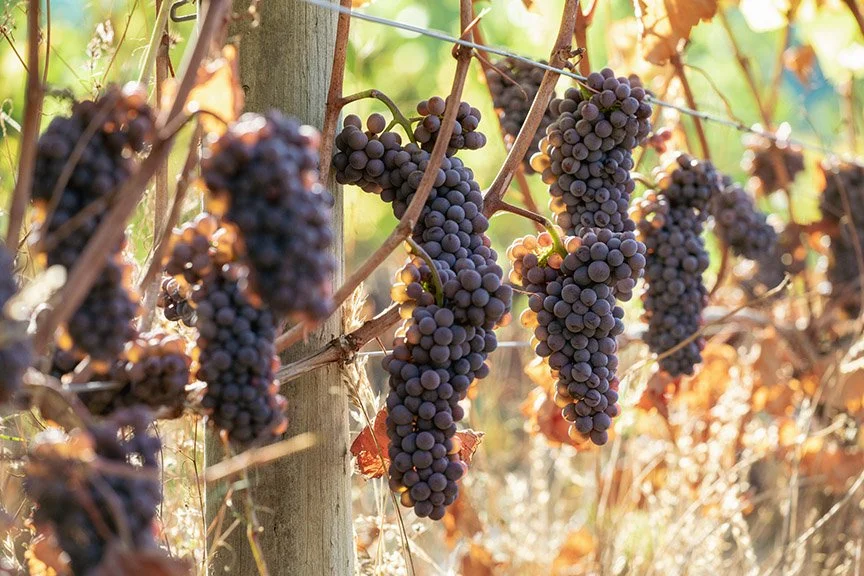
Pinot Gris at full ripeneess- almost red!!
Pairing witH Food
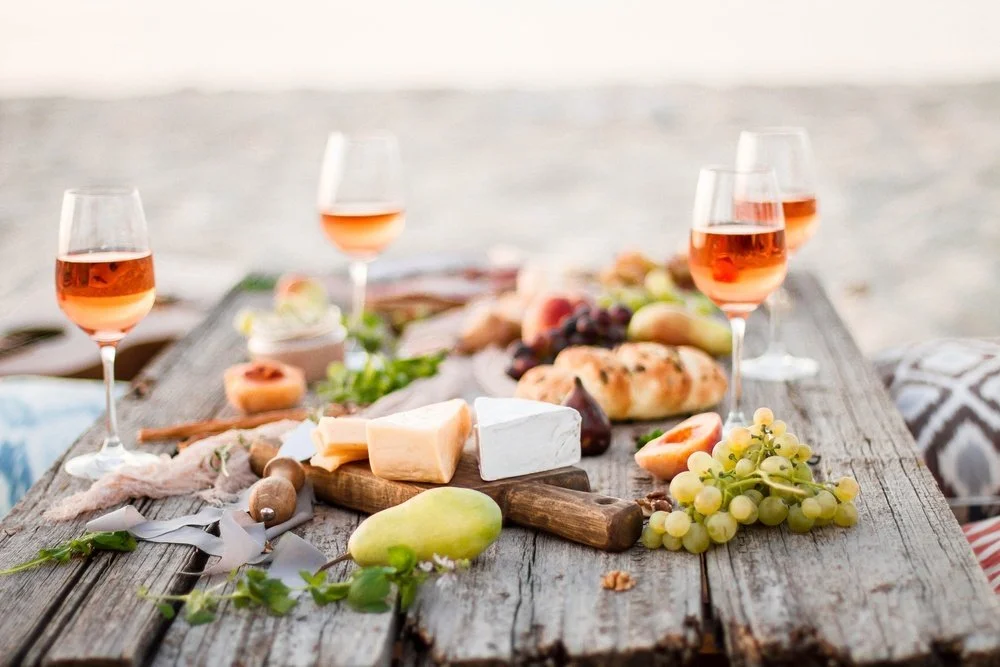
With their slightly stiffer backbones, orange wines go with a huge range of foods, from paella to grilled vegetables to roast meats and firm cheeses. A few specific matches are listed with our orange wines below.
Orange wines- the quickie version
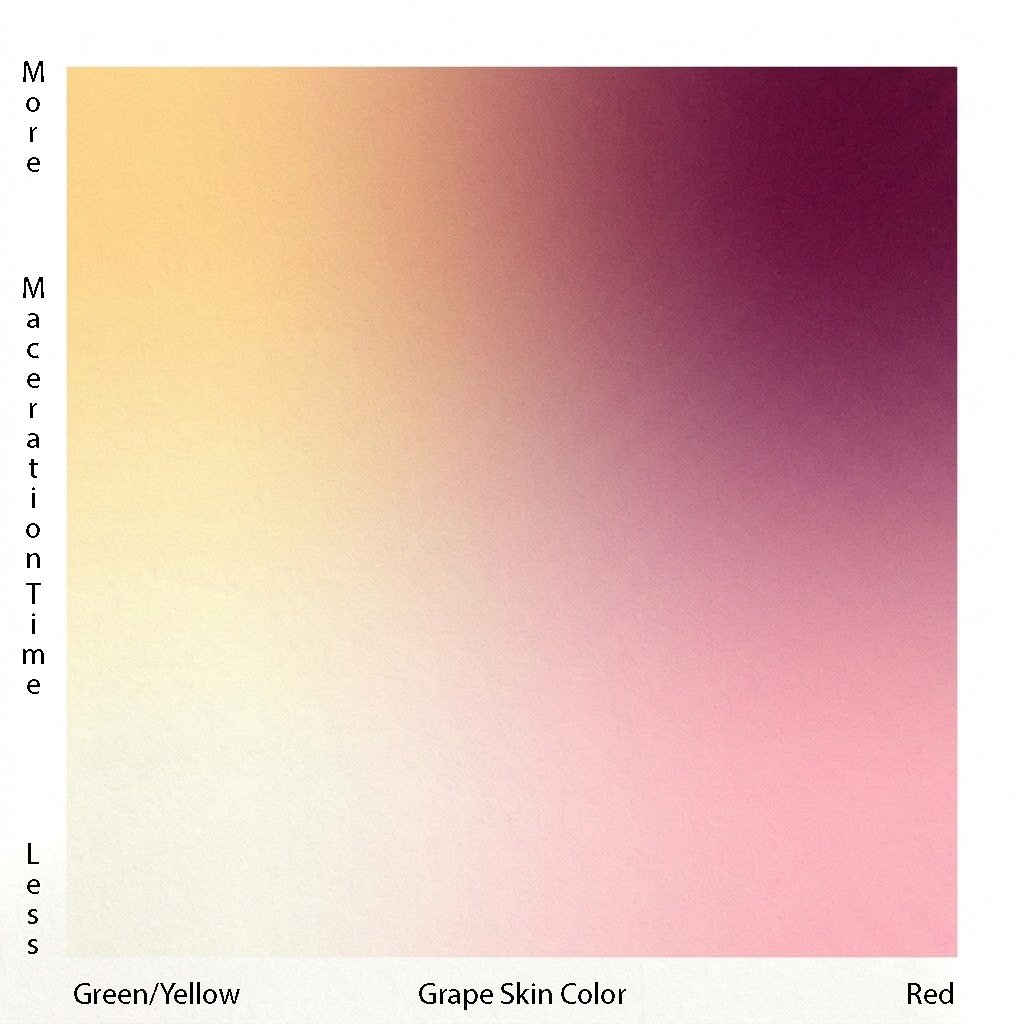
Fundamentally, there are 2 colors of wine grape, Red and White, and 2 ways to make wine- with or without maceration on the skins. 2x2 = 4 kinds of wine: Red, White, Pink (aka Rose) and Orange. There is of course a gradient in both skin color and maceration time, giving roughly the spectrum of wine colors seen in the graphic to the left. Orange wines are the “white grape X long maceration” quadrant.
history of orange wines
This category may seem like it sprang full-formed from the head of a San Francisco sommelier just like Athena from Zeus, but in fact orange wines have a history going back some 6,000 years. In the Caucasus, Georgia preserves the ancient tradition of fermenting wines slowly over many months in qvevri- large clay amphorae sunk into the ground to maintain a stable temperature.
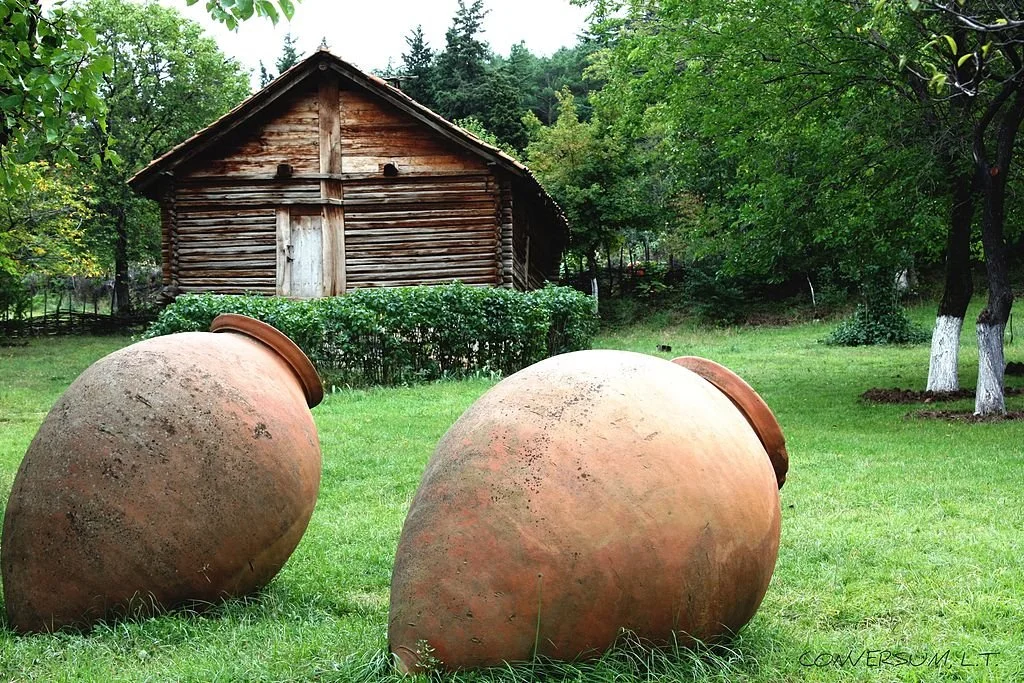
Qvevri
Because of their old-school winemaking, orange wines often fall into “natural” wines- those made with minimal intervention in the vineyard and cellar.
Today, traditional orange wines can be found from Georgia to northern Italy and nearby Slovenia, to France (here’s lookin at you, Vin Jaune, Jura and Savoie wines), and down into Spain. New-world winemakers in the USA, Australia, South America and South Africa are also experimenting with the style.
the good, the bad and the ugly
Not all orange wine is great. In fact, there’s a disproportionate amount that uses the “natural wine” correlation of orange wine to produce funky, bacterially-infected wines with all kinds of off flavors, blaming it on “natural winemaking.” Wrong- that’s just Bad Winemaking 101. Remember, up until around 1850, all winemaking was “natural” and not all of it was bad wine!
The best orange wines, express the primary and secondary flavors of highly aromatic varieties like Friulano, Gewurztraminer, Muscat, Malvasia, Pinot Grigio, Ribolla Gialla, Rkatsiteli, and of course Sauv Blanc.
“The twin forces of history and fashion combine to create a remarkable tension around orange wines. They have been celebrated in places where they have a long history, like Georgia and Slovenia, as emblems of cultural identity, while simultaneously being dismissed elsewhere for their vapid trendiness.”
Our orange wines
Orange Party Valencian Orange: Organic, Low-intervention. Made from the rare indigenous grape Verdil, this wine shows all the tanginess and secondary flavors of a great orange wine with notes of bright fresh fruit. Citrus, white tea, dried orange peel. Fried Chicken.
Leza Garcia Rioja Naranja: 90% Sauv Blanc, 10% Viura produced in the Rioja Organic, natural. Beautifully balanced with notes of apple peel, orange peel and lemon, as well as dried thyme and marjoram. Fresh and clean, with just the right amount if grippiness! Grilled vegetables and portobello mushrooms.
Georgian Legend Rkatsiteli: This wine, from the Tsinandali zone in Kakheti, is completely naturally made, using the ancient Qvevri method of fermentation in deeply-buried Qvevri (large fired-clay amphorae lined with beeswax), allowing for a long, slow fermentation and gentle, controlled oxidation to create the unique tangy style of amber wine. In the glass, the wine is a medium-amber with notes of fresh fruit and herbs, and long, tangy, mineral-driven finish. A perfect introduction to Amber (or sometimes Orange) wines! Pork loin stuffed with dried apricots.
Vinos del Viento Amber: 100% Moscatel de Alejandro, grown in Campo de Borja, Spain. Organic & Biodynamic. Beautiful amber color, great nose of cedar and cigar humidor, with notes of pineapple from the underlying Muscat fruit. On the palate bright pineapple fruit and refreshing acidity, with just enough tannic grip. Ceviche with scallops and shrimp
Sumarroca 2CV Orange: From Penedes in Catalonia. 100% Xarel-lo Vermell- a pale-red-skinned form of Xarell-lo. Organic & Vegan, with lovely balance and tang. Notes of apple, apricot, apple cider and peach, good grip. Charcuterie board.
Verum Ulterior Naranja: From Bodegas Verum in Castilla La Mancha. A blend of Albilo Real and Moravia Agria. Organic and Vegan, the Moravia is crushed and run off immediately to make blanc de noir juice from this red grape, then blended with the Albilo and its solids to end with a skin-contact blend. Intense and fresh, with bright fruit and tangy acidity. Paella!