
Spain > Tierra de Castilla > Bodegas Verum
Certified organic, Vegan

Tierra de castilla
Castilla-La Mancha, the province covering the high plateau of central spain, is the worlds largest wine production region, with some 57,000 growers providing fruit to 300 bodegas collectively producing some 14 million cases of wine annually.
This ocean of wine includes abject plonk, great value reds and whites, and several top-quality DO regions within its borders.
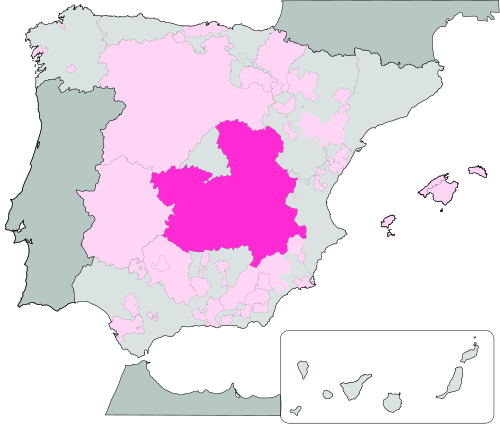
climate and terroir
The region has a continental climate, with large diurnal temperature swings, blazing summers and very cold winters. A near desert, the central plateau (meseta central) receives a mere 300 to 400mm of rain annually. The soil mostly consists of dark, red sand clays, with a high amount of calcium in the subsoil. Soil retains moisture well and is an important part of healthy plant growth. The warm semidesert climate and heat-absorbing soil results in wines that are typically ripe and higher than average alcohol level.
Varietals in use
Established in 1990, the Vino de Tierra de Castilla designation (the step below DO) allows a wide variety of grapes.
For whites: Airén, Albillo Real, Chardonnay, Gewürztraminer, Macabeo (Viura), Malvar, Malvasía Aromática, Marisancho (Pardillo), Merseguera, Moscatel de Grano Menudo (Muscat a Petits Grains), Moscatel de Alejandría (Muscat of Alexandria), Parellada, Pedro Ximénez, Riesling, Sauvignon Blanc, Torrontés, Verdejo, Verdoncho and Viognier.
For reds: Bobal, Cabernet Sauvignon, Cabernet Franc, Coloraillo, Forcallat Tinta, Garnacha Tinta, Garnacha Tintorera, Graciano, Malbec, Mazuela, Mencia, Merlot, Monastrell, Moravia Agria, Moravia Dulce (Crujidera), Petit Verdot, Pinot Noir, Prieto Picudo, Rojal Tinta, Syrah, Tempranillo (Cencibel) Tinto de Pámpana Blanca and Tinto Velasco (Frasco).

The next generation, learning to foot-crush grapes.
La Posada
La Posada, named for the term for a roadside inn or tavern, represents the family’s dedication to hospitality and to sharing the bounty of their lands. The wines farmed organically and are vinified in stainless steel to preserve brilliance and freshness. We carry the Verdejo and the Tempranillo- classic red and white varietals for the region.


bodegas verum
Bodegas Verum’s vineyards and winery are located in Tomelloso, a town in the province of Ciudad Real about 100 miles southeast of Madrid. The town of some 38,000 dates to the 16th century and is named for the thyme (tomilio) fields once planted there. Today the main activity in the sleepy city is its wine industry.
Bodegas Verum was founded in 2005 by the Lopez-Montero family, a wine family who have owned wineries and distilleries in the town since 1788. Today the Verum winery is owned and managed by Maria Victoria Montero, along with her daughter, María Belén, and her sons, Juan Antonio, Pedro José and Elías.
Verum, which encompasses the family’s best terroirs and vineyards, is dedicated to the production of organically farmed wines with no additives used in the winemaking process.
the wines
Linea Ulterior:
Further is Verum’s experimental line, running microvinifications on dozens of varieties to determine how to maintain the quality of their wine in the face of climate change. They’re bottling tiny lots of indigenous varieties such as Mazuelo, Garnacha, Albillo Real and Tinto Velasco. We carry just one of these fascinating wines for now, their superb orange wine, Naranja.
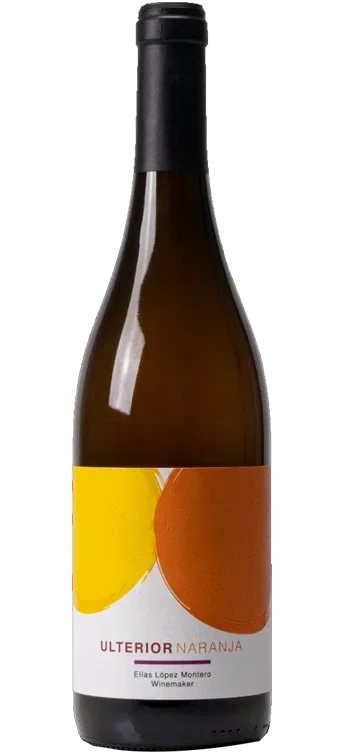
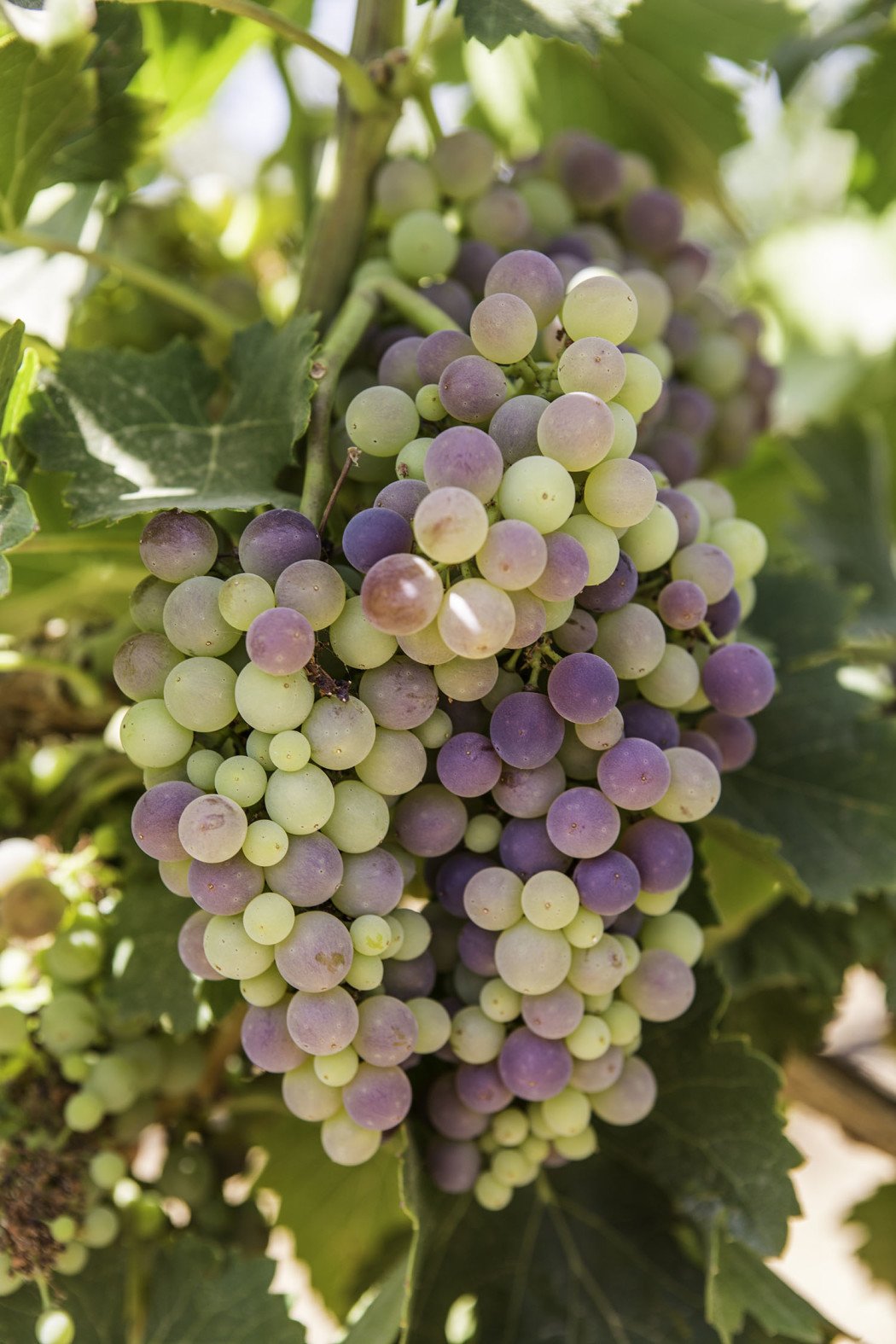
Ulterior Naranja: Making orange wine requires the grapes to be of the highest quality and perfectly ripe. Whatever is on the skins becomes part of the wine. This wine is 15% Moravia Agria (a red grape), 85% Albillo Real (a white variety). grown on the organically-farmd El Romeral plot. The Moravia Agria grape is made like a white wine (without maceration with the skins). The must is blended with that of the Albillo Real grape to macerate with its skins for two months. After racking and blending, the wine spends another four months in stainless steel tanks and a further six months in old 4,500-liter clay amphorae.
Tasting notes: Orange-cream hues, dense. On the nose, it is complex, with citrus notes of grapefruit, ripe fruit (apple), and a subtle pungent touch reminiscent of flor and fine lees, with hints of dried flowers, wild herbs, peach, and ripe melon. On the palate, it is unctuous and fresh, with a gradually increasing acidity that reaches its peak in the aftertaste, complementing the ripe fruit with that touch of acidity that provides freshness. There is also a subtle hint of nuts.
Food pairing: oily fish such as salmon or cod, pork or poultry.
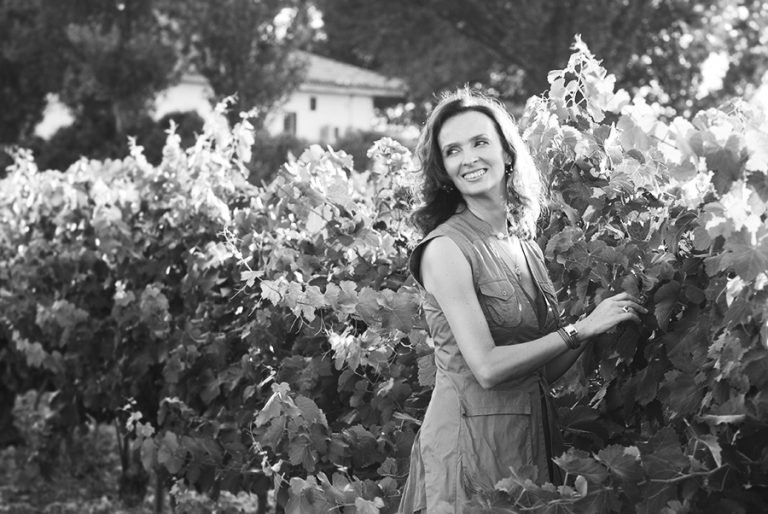
Maria Victoria Montero