
Spain > Catalonia > Penedes > Bodegues Sumarroca
certified Organic
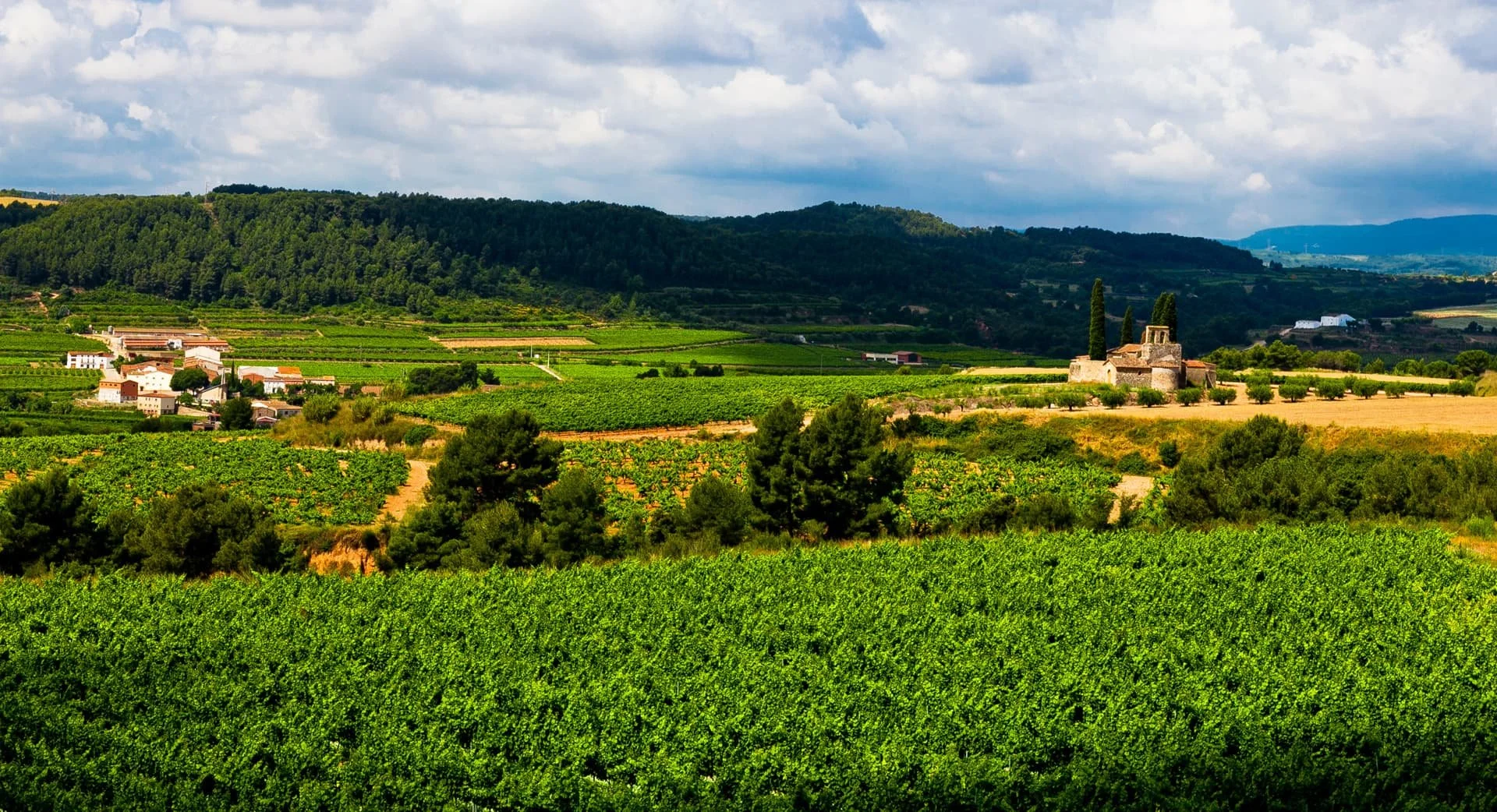
Finca Sumarroca
catalonia A part of spain and apart from spain
Catalonia is the region of spain bordering Frnce and the Mediterranean wedged between the Pyrenees Mountains and roughly the Ebro River valley.

The region was settled by various Iron Age tribes (Iberians nearer the coast, Aquitanians a bit further inland) and by the 5th century BC was a nexus of Celtiberian civilization. The Romans arrived in 218 BC in the person of Gnaius Cornelius Scipio Calvus, aiming to cut off Hannibal’s supply routes during the Punic Wars. The Romans stayed, as they were inclined to do, for some 600 years. Roman rule was succeeded by the Visigoths, until about 720, then by Muslim rule until they were pushed south by the Franks under Charlemagne, who established the Spanish March as a border province of his Empire. In 801 Charlemagne’s son Louis conquered Barcelona from the Moors and established the County of Barcelona, and by around 900 a hereditary House of Barcelona ruled the area uner the Carolingians.
in 1137 the Count of Barcelona married the heiress to the throne of Aragon, creating a dynastic union between the region now known as Catalonia and the Kingdom of Aragon. The High Middle Ages are a mind-blowingly complex period that saw the power of Aragon expand in multiplle directions, both into adjacent lands and out across the Mediterranean.

Lands of the Crown of Aragon (credit)
in 1469, Isabella of Castille married Ferdinand of Aragon, spent the next 23 years driving the Moors south and finally out of Europe, in 1512 the Dual Monarchy went on to conquer the Kingdom of Navarre, finally uniting the territories we know as modern Spain. The Principality of Catalonia, under the Crown of Aragon, was finally part of Spain.
By the reign of Charles V (approx 1519 -1558, the Count of Barcelona also counted among his titles:
Holy Roman Emperor
King of Castile
King of Aragon
King of the Romans
King of Naples & Sardinia
Archduke of Austria
Duke of Burgundy
Lord of the Netherlands
and through his Spanish titles, Emperor of
The Viceroyalty of New Spain (California, Nevada, Arizona, New Mexico, Texas, Mexico, all of Central America to Panama plus northern South America and greater Florida
The Viceroyalty of Peru (another 75% of Sourh America from Panama south including Columbia, , Venezuela, Peru, Ecuador, Chile, the Guyanas, Surinameand most of Brazil, Uruguay, Paraguay and Argentina
The Philippines
Cuba, Jamaica, Puerto Rico, Hispaniola and many other Caribbean islands
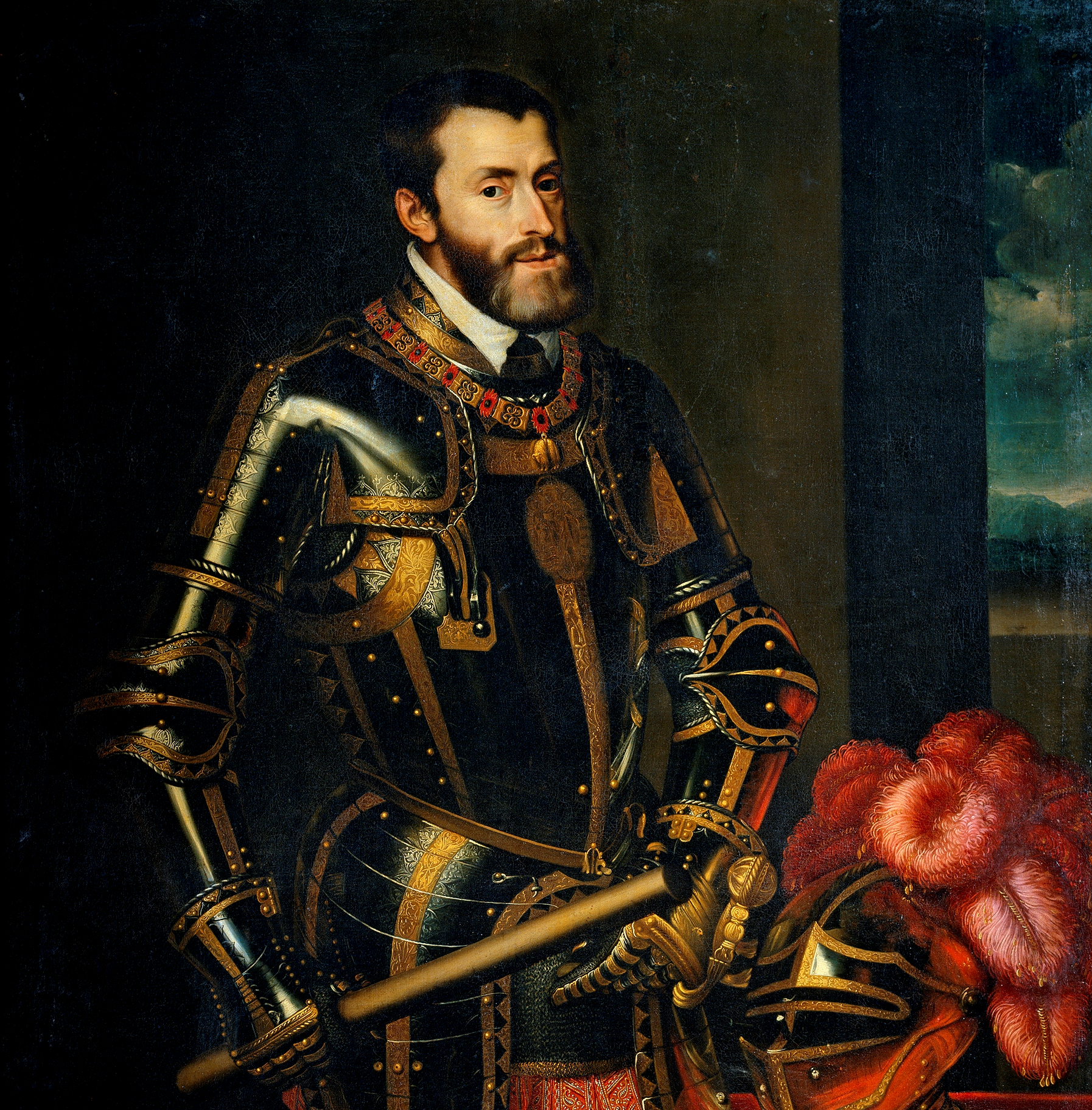
Charles V, By Juan Pantoja de la Cruz / After Titian
Today Catalonia is one of the constituent Autonomous Regions of Spain, with its own parliament and considerable independence from the central government. Still restless for full autonomy, it has voted to secede from Spain multiple times, most recently in 2017, although the result was not recognized by Spain or other world powers. The local language, Catalan, is widely used and is a mark of pride for this proud and fiercely independent people.
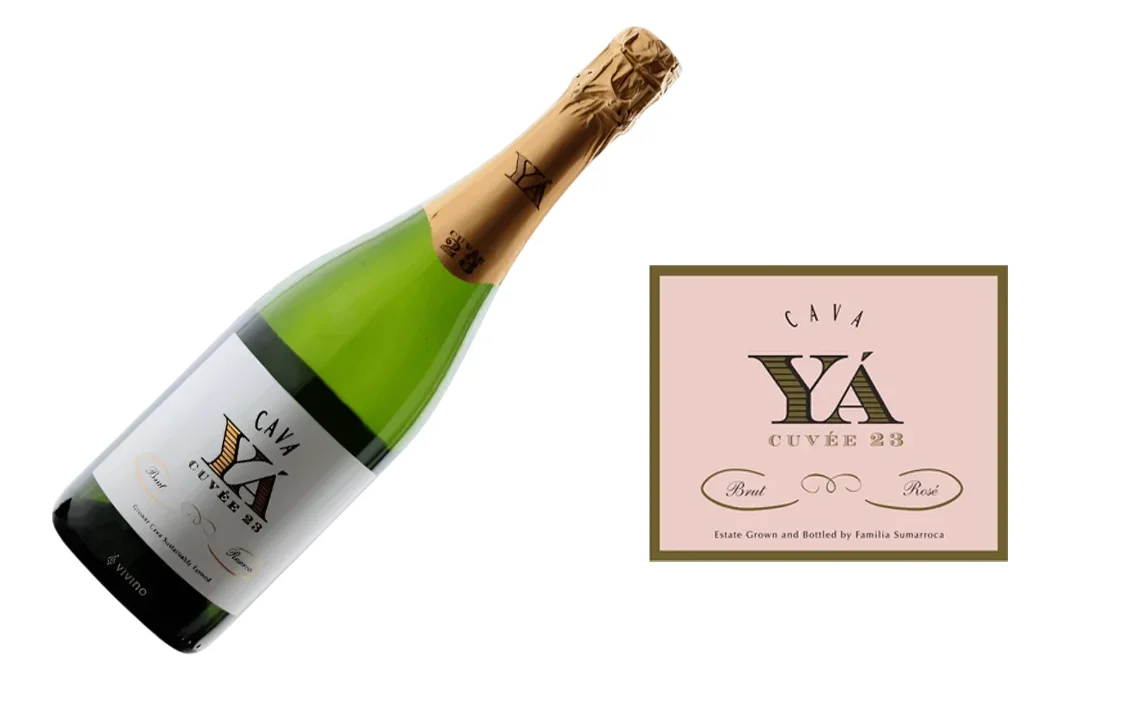
2CV Brut Nature
At the beginning of the 20th century, when the Marquis of Monistrol needed more farm hands, many immigrants from various corners of Catalonia and Spain came for the opportunity of work in exchange for being sharecroppers, owning a house and having two horses to take care of the land. As most peasants of the time had difficulty reading and writing, the contract they signed contained little text and only said one sentence in very large letters: two horses, a house and a vineyard… 2CV.
Made from the rate Xarel.lo Vermell, a red-skinned variety of X-arel.lo grown on calcareous gravelly clay soils. Zero dosage, and no added sulfur during winemaking,.. designed as a true “gastronomic” cava to pair with fish or light chicken dishes.
2CV Orange: Also made of the rare Xarel-lo Vermell, this wine is a double rarity- a skin contact white, made of red-skinned grapes! Intense and refreshing with fruity notes of apricot, peach and apple.
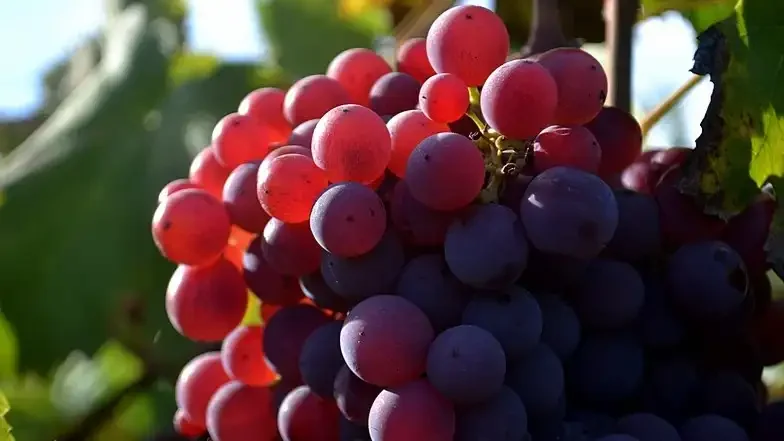
X-arel-lo Vermel
Penedes, Cava & sumarroca
The Penedes DO is a coastal region within Catalonia, between the cities of Barcelona abnd Tarragona. It’s famed for its sparkling wines made in the methode traditionel, with secondary fermentation in the bottle just as in Champagne. These wines are known as Cavas.
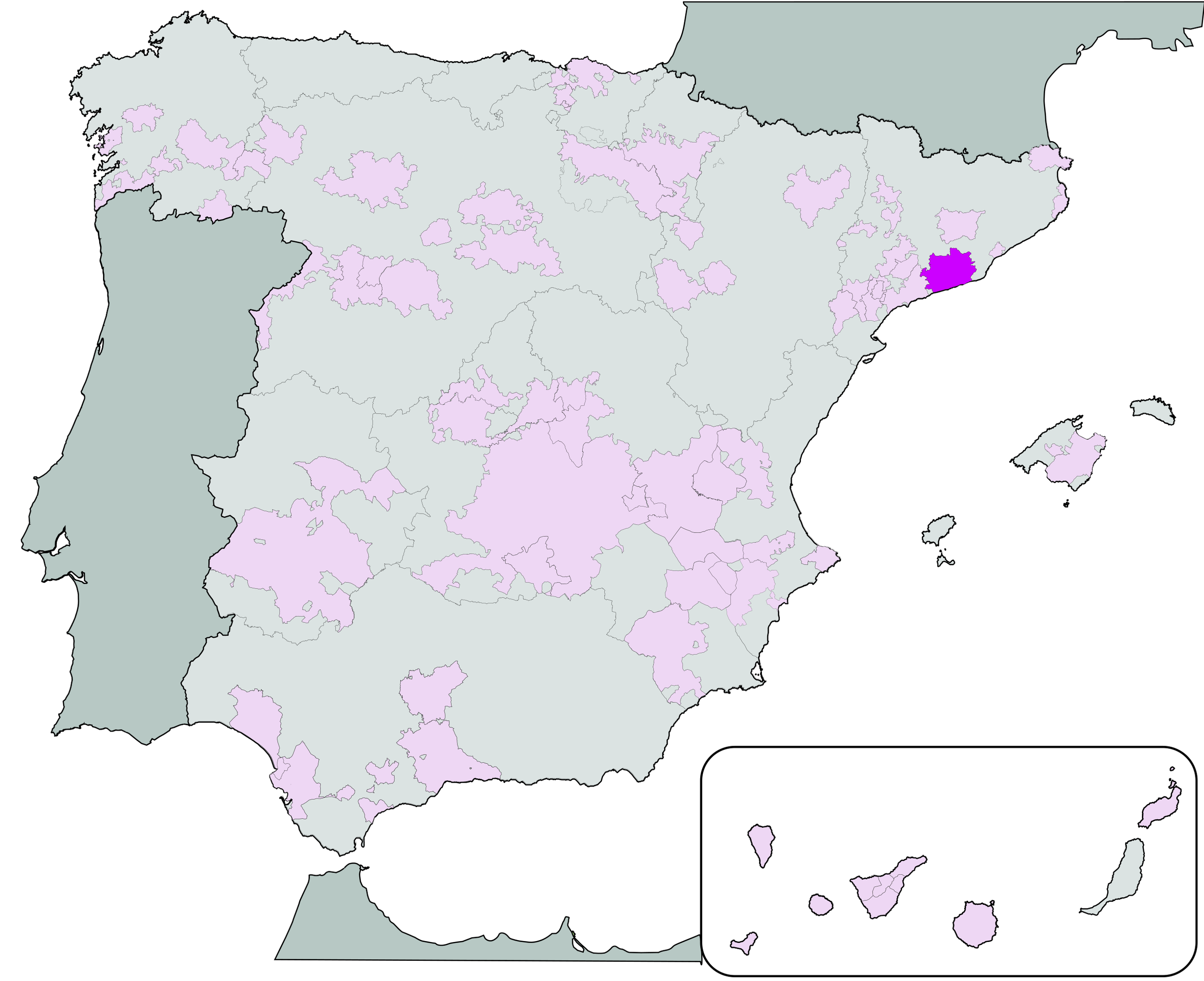
Penedes.
Cava, named for the extensive ageing cellars of the large producers, is synonymous with Penedes. The production of sparkling wines in the area originated with Josep Raventos, who visited the Champagne district and became intrigued by the potential of sparkling wines in his native Penedes, and created his first method traditionel sparkler in 1872. Although the Cava Denominacion has been extended to cover sparkling wines from several other regions of Spain as far afield as Rioja and Valencia, some 95% of Cava is still made in the original Penedes district, created as the Cava DO in 1986.
Cava is produced in both white and rose versions, with the white traditionally produced from the local Macabeu, Parellada, and Xarel·lo, and occasionally Chardonnay, Pinot Noir and Subirat (aka Malvasia) are also permitted. Rose Cava is traditionally produced from the local Trepat grape, although Garnacha, Monastrell and Pinot Noir are permitted. Unlike Rose Champagne which can be made by blending in a touch of still red wine, Cava Rosado must be made by the saignee method (classic rose wine method of light skin contact and then bleeding off of the juice). Typically finished as a Brut, Cava is made in a range of sweetness levels.
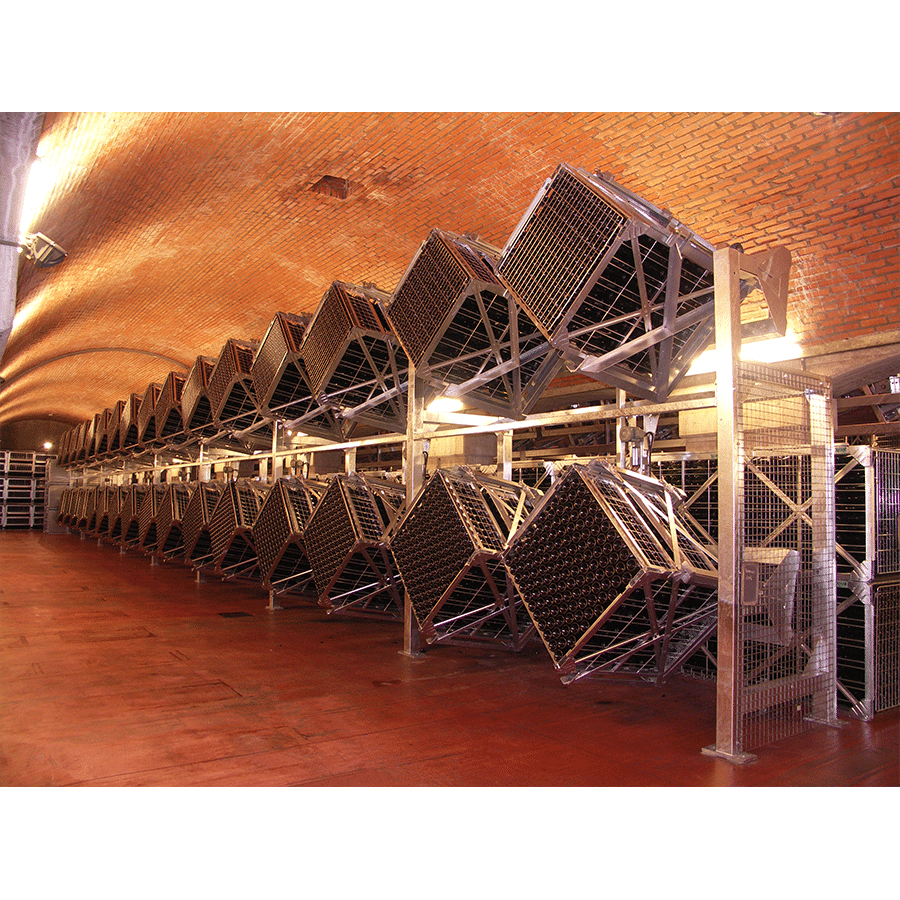
Gyropallettes- automated riddling machines originally invented in Penedes by Cava producers.
Bodegues Sumarroca
For generations, the Sumarroca family has lived in the tiny hamlet of Llimiana in western Catalonia. In the early 1980s, Carles Sumarroca relocated to Penedés, where he bought the Molí Coloma country estate in Subirats and the Heretat Sabartés country estate in Banyeres del Penedés, and in 1999 the family purchased the country seat of the Marquis de Monistrol, now rechristened Finca Sumarroca.
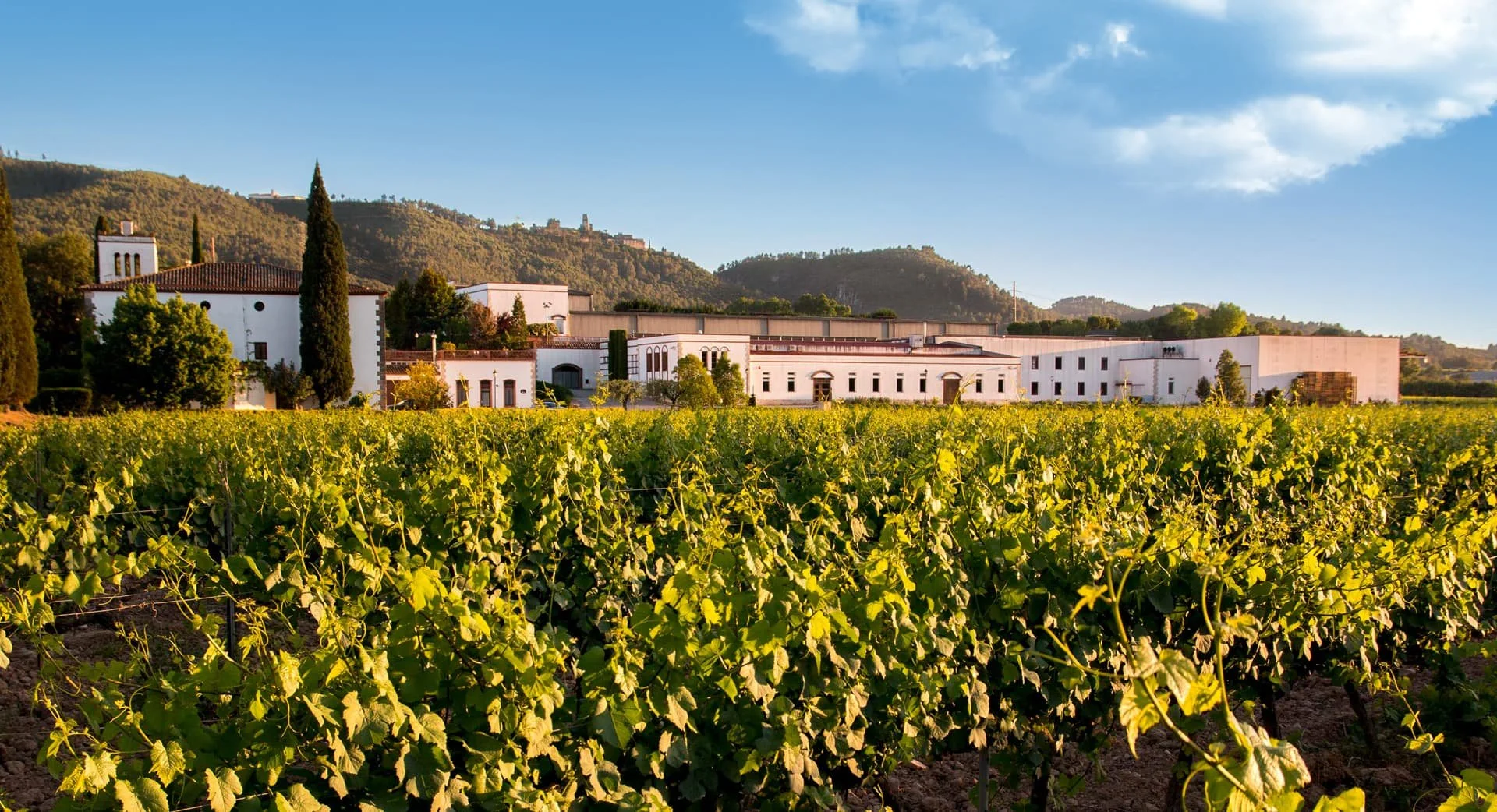
Finca Moli Coloma
The winery is located at the Finca Molí Coloma in the heart of the Penedés region, on the banks of the Anoia river. The vineyards are spread across three estates: Molí Coloma (around 90 acres), Heretat Sabartés (around 60 acres) and the Finca Sumarroca (a vast estate of some 1150 acres, planted to a wide variety of grapes on diverse soils.
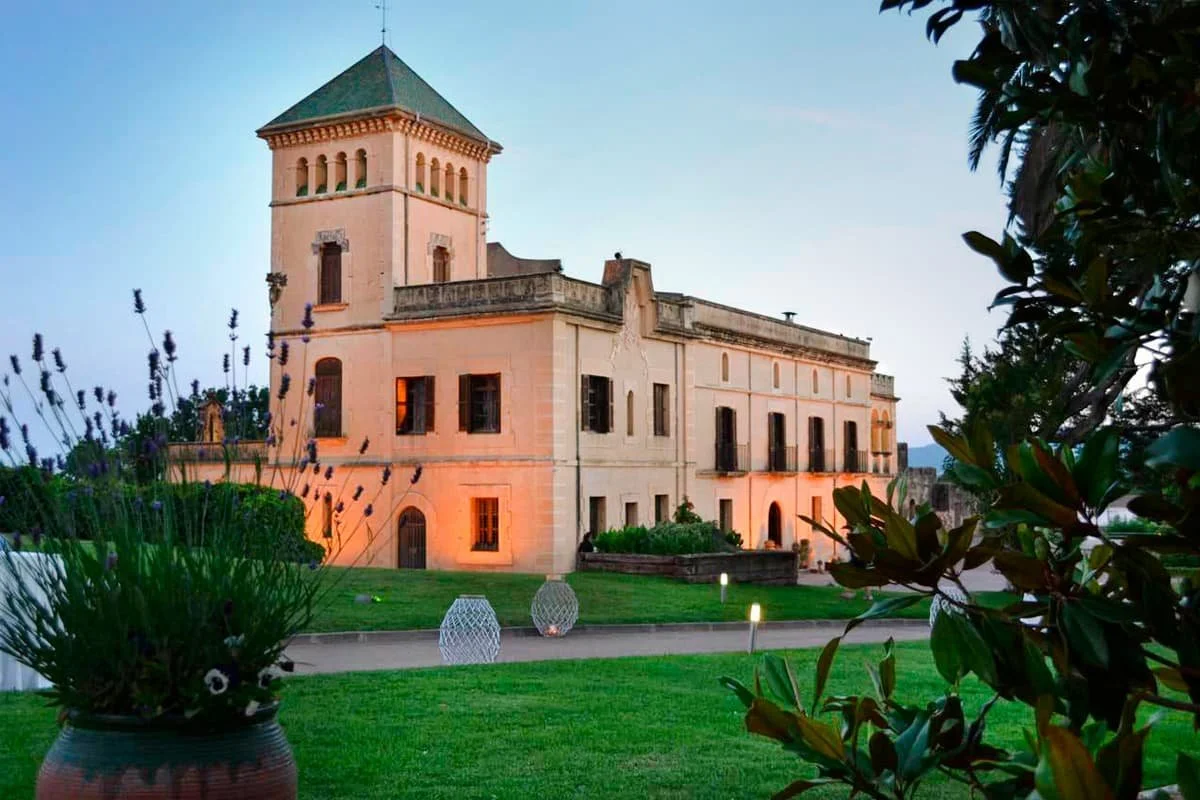
The Heretat Sabartes estate
The estate is fully organic, and has been certified since 2018. They use natural pheromones for pest control, sheep to graze between the rows, and natural fertilizers from organic compost geneerated on the estates and brought in from neaarby organic farms. Terraced into the hillside, the winery is completely gravity-fed with no mechanical pumping.
The Wines
YA! Cuvee 23: Grown on the Monistrol estate. Organic and dry-farmed at 900 to 1150 ft. Primarily Parellada and Xarel-lo with at least 10% Chardonnay. Only free-run juice (no pressing) is used to enhance the bright fruit notes of the wine. 14-18 months on the lees before disgorging. Finished brut.
YA! Cuvee 23 Rosado: Grown on the Monistrol estate. Organic and dry-farmed at 900 to 1150 ft. 100% Pinot Noir with light skin contact. Only free-run juice (no pressing) is used to enhance the bright fruit notes of the wine. 14-18 months on the lees before disgorging. Finished brut.
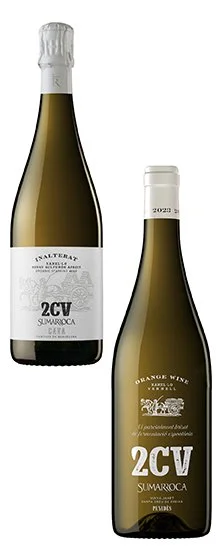
A note on Xarel-lo Vermell:
Although Xarel-lo Vermell is technically a red-skinned variety, the light-coloured grapes produce wine with a color between a yellow-orange to dark salmon pink thanks to the low tannin content of the grapes. Surprisingly, the skins are relatively thick offering a good barrier to disease.
The variety is found only in the ever-diminishing coastal vineyards around Alella (just up the coast from Barcelona), its existence under constant threat as Barcelona's suburban sprawl creeps northwards along the coast. A majority that are cultivated are from vines planted over 20 years ago, rescued from the influx of the standard Cava varieties.
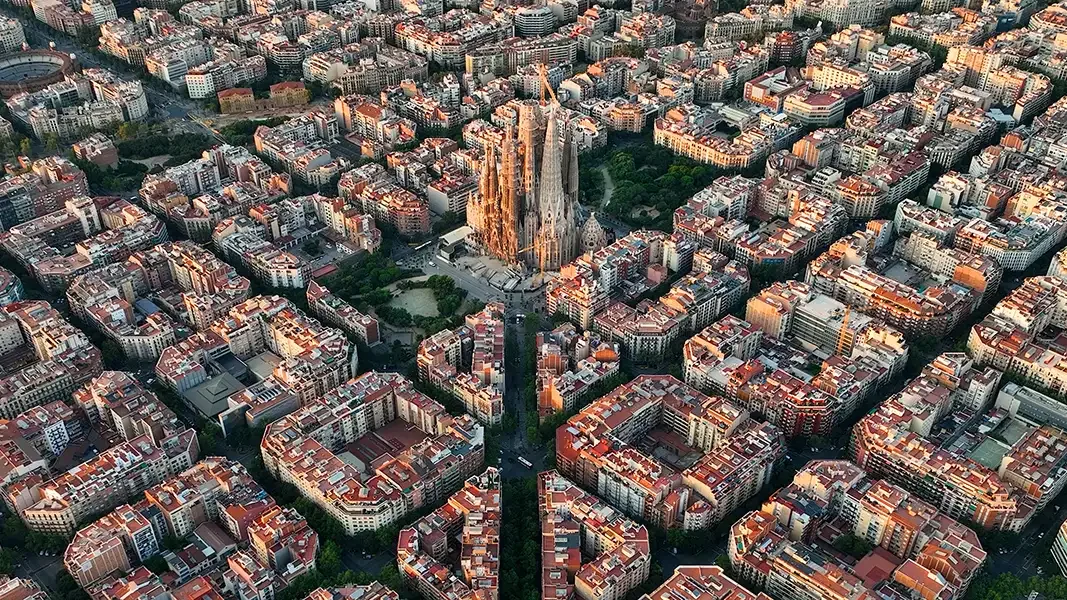
Bartcelona= the Eixample neighborhood of Barcelona with Gaudi’s Basílica i Temple Expiatori de la Sagrada Família, the world’s tallest cathedral