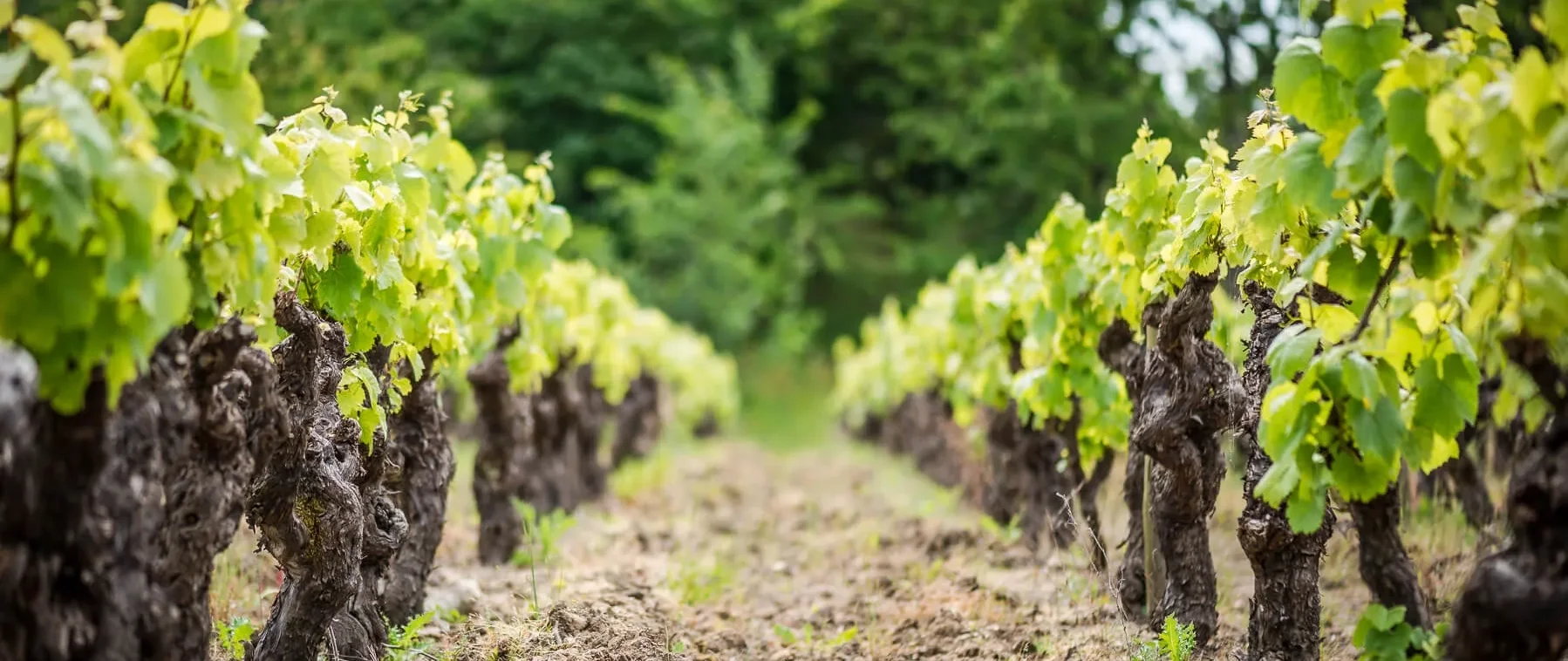
Melon vines at Le Pallet
the pays nantais & muscadet
The Pays Nantais is a sprawling region of vineyards in the westernmost Loire Valley, around the city of Nantes and adjacent to the vast marshes where the Loire Estuary meets the Atlantic. The city (and the Loire) sit at a cultural crossroads, most visibly shown by the Normal slate roofs north of the Loire, while right across the river low-slung red tile roofs more typical of the Mediterranean predominate.
The region is one of low, gently rolling terrain crisscrossed by small streams draining into the Loire. Soils are fairly variable river clays, sands and gravels atop a mix of schist, granite and volcanic bedrocks.
The climate is heavily influenced by the Atlantic and is a classic Oceanic climate with cool summers, cooler rainy winters and rare hard freezes. Fog is common in the valleys, and vineyards tend to be planted on south or southwest-facing slopes to catch the sun.
Although the region has been inhabited since some 2000 BC by Celts probably attracted by nearby (first) tin and (later) iron deposits, with the first smithies and ironworks in the area dated to around 800 BC. The city of Nantes and its region are named for the Gallic tribe of the Namnetes who settled the area in the 2nd-1st Centuries BC. After Caesar’s Conquest of Gaul, Nantes (then Condevincum for its position at the confluence of the Sevre and Erdre rivers; and later renamed Portus Namnetum, then Namnetes, and by the 6th Century, Nantes) was established as one of several port cities on the Loire, and vines were first planted here by Roman soldiers under orders of the Emperor Probus (276-282). After the fall of the Empire, the region passed briefly under the control of the invading Visigoths before falling in 490 to the Franks under Clovis I. The city was held as a stronghold against the Bretons to the north, and under Charlemagne became the capital of the Breton March. After Charlemagne’s death, the Bretons invaded and captured Nantes in 850, with their ruler Nominoe being named the first Count of Brittany. Discord among the Bretons led to Viking incursions, with the Norsemen finally expelled in 919 by Alan II Twistedbeard, Duke of Brittany.
During the High Middle Ages, the area passed back and forth from control by the Dukes of Brittany and the Counts of Anjou (aka the Plantagenets, also Kings of England). Turmoil continued until the marriage of Anne of Brittany to Charles VIII of France in 1491, and then the formal union of Brittany to the French Crown under Francis I in 1532
It was about this time that Melon de Bourgogne, the primary grape for the region and the only grape allowed in Muscadet wines, was introduced from Burgundy. A cross between Pinot Noir and the ancient and nearly extinct Gouais Blanc, it’s very well adapted to the soils and climate of the Nantes region, being frost-resistant, mildew resistant, and early-ripening. These characteristics led to Melon’s widespread planting (by Royal Edict) after the disastrous hard frost of 1709 which wiped out many of the existing vineyards.
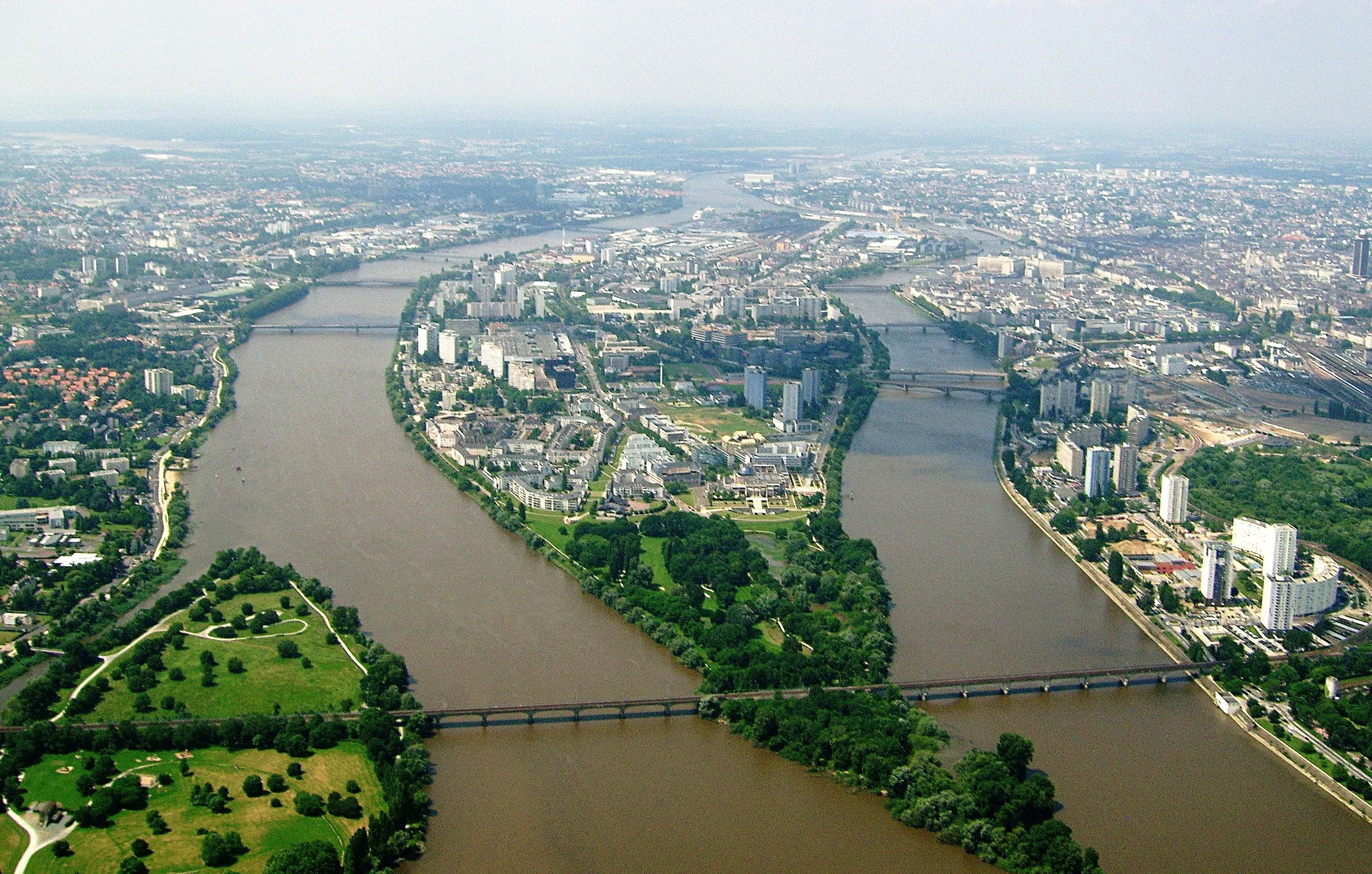
The Ile de Nantes in the city center. Photo credit
The modern Muscadet appellation d’origine was established in 1937. The sub-appellation Muscadet de Sevre et Maine, which makes up some 80% of the larger district’s production, was actually established a year earlier, in 1936. About 40% of the production of Muscadet de Sevre et Maine is produced “sur lie,” aged on its lees, which leads to a richer, creamier style with toasted brioche notes.
Most recently, a series of individual villages have been granted “cru communale” status with their own AOP’s within the larger Sevre et Maine appellation. These currently include Champtoceaux, Chateau-Thibaud, Clisson, Gorges, Coulaine, La Haye Fouassieres, Le Pallet, Monnieres - Saint-Fiacre, Mouzillon Tillieres, and Vallet. Each is delimited by a unique terroir, and produces a distinctive style of Muscadet Sur Lie.
bois joly
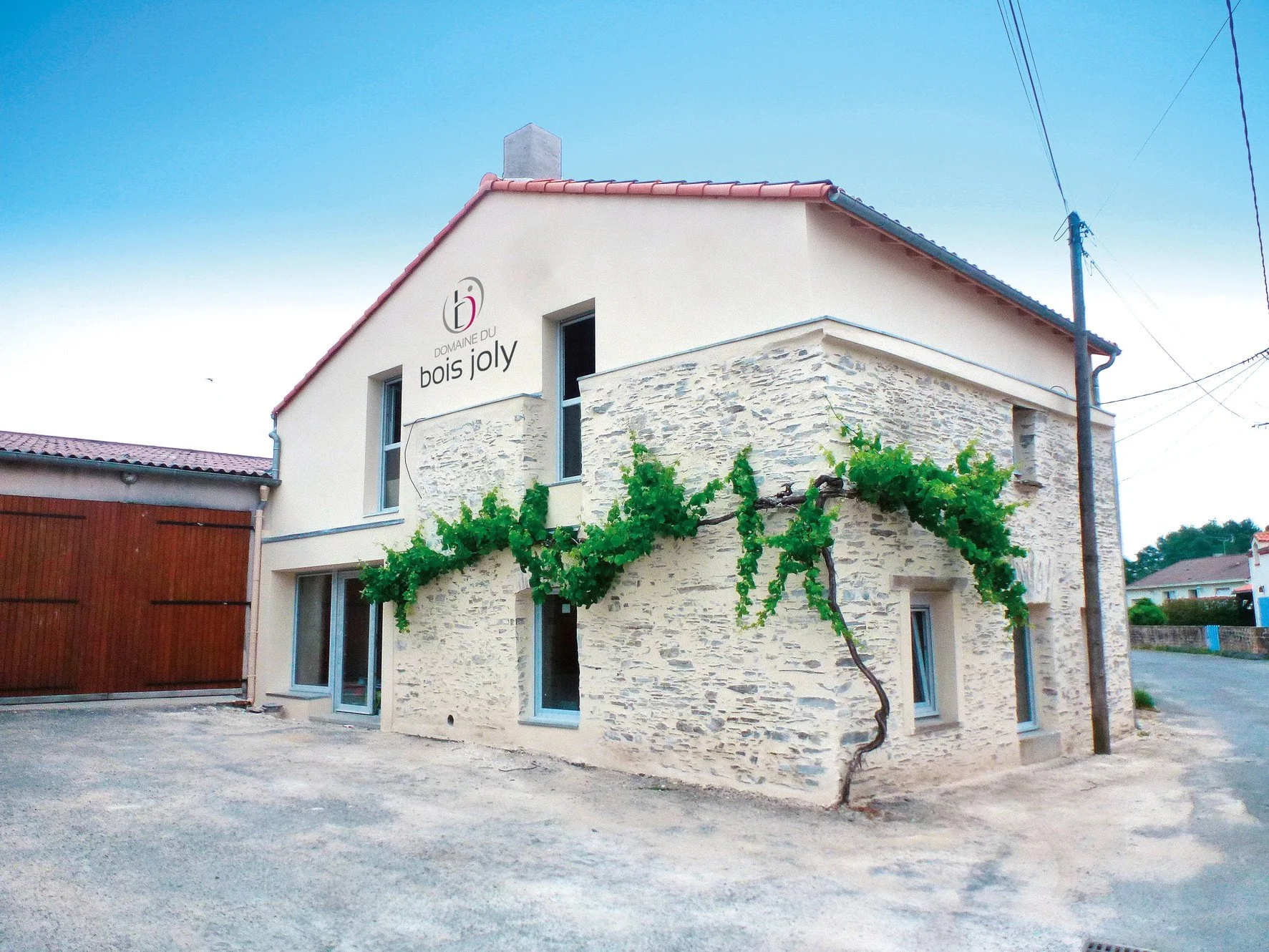
Domaine Bois Joly (aka Domaine la Grange d’Abelard) is located in the village of Le Pallet, one of the ten crus communales. Le Pallet is located on the right bank of the Sèvre Nantaise. The vines are cut by the curving ravines formed by this river's small tributaries. The vignerons of le Pallet prefer shallow, stony soils with good drainag, and Le Pallet's steep slopes give the vines moderate vigor, an uninterrupted vegetative cycle and excellent harvest performance. The subsoil is composed of gneiss, orthogneiss and micaschists. The wines are silky and harmonious with a creaminess unique to this cru.
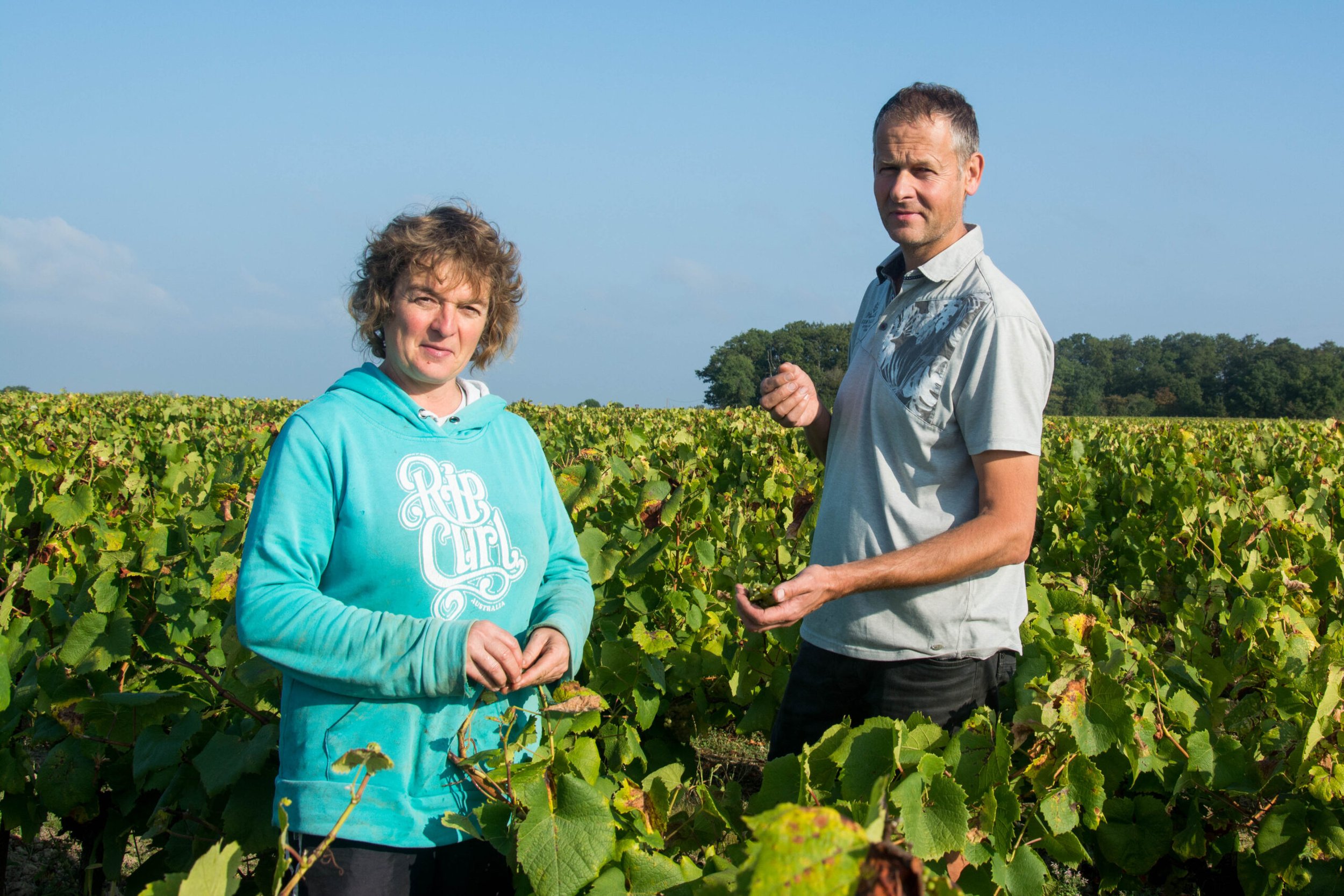
Owned by husband-and-wife Laurent and Natalie Bouchaud, the estate of some 75 acres is underlain by two rock types, an area of white schists that produces somewhat softer wines and an area of black gabbro that produces firmer, more structured cuvees. The Bouchauds craft their wines from these two base wines to achieve balance and complexity.
The wine
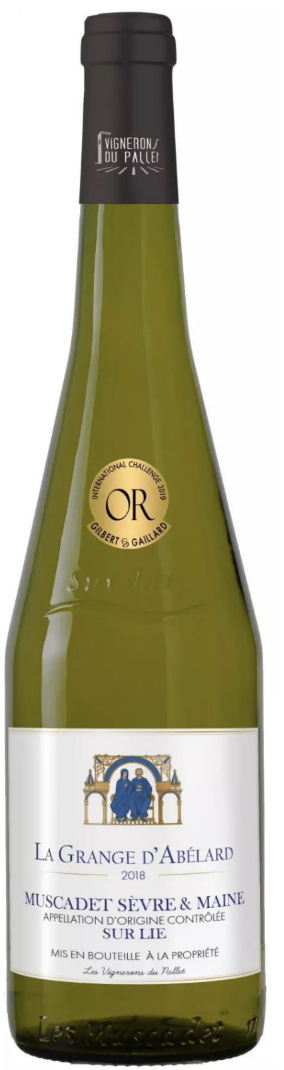
Muscadet de Sevre et Maine Sur Lie “La Grange d’Abelard” - A classic Muscadet of 100% Melon de Bourgogne, aged Sur Lie for about a year before racking and bottling. The wine shows bright aromas of citrus, green apple, and subtle bread yeast, leading into a crisp, saline, and mineral-driven palate with a creamy mouthfeel. Light fish, fresh oysters…