
Spain > Valencia > Bodegas Reymos
Valencia
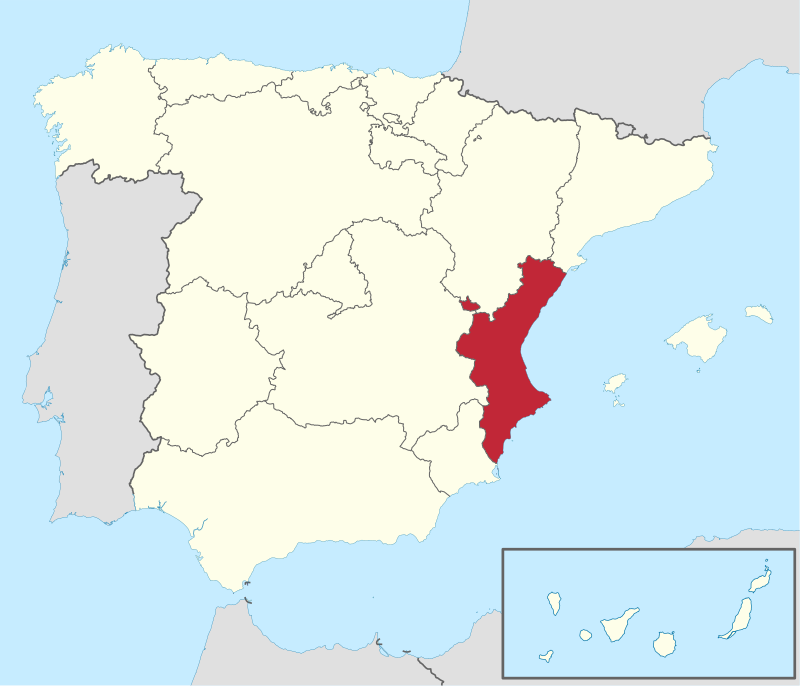
The Comunidad Valenciana (Autonomous Region of Valencia) is located on the Mediterranean coast of Spain, south of Catalonia. This sun-drenched strip of land produces a range of wines in red, rose and white, sweet to dry, and both still and sparkling.
Originally settled by Celtic peoples, the region was colonized by the Greeks in the 5th Century BC, then by Carthage in the 4th and 3rd Centuries. Cartagena, formerly Carthago Nova, New Carthage, is just south of the modern boundary of the Valencian Community. After the conquest by Rome during the Punic Wars, the city of Valencia (capital of the Valencian Community) was founded by the Romans in 138 BC under the name of Valentia Edetanorum, or simply Valentia, which translates to "strength" or "valour," in full "strength of the Edetani" - the CeltIberian pre-roman inhabitants of the area.
Rome ruled for some 700 years, followed by the Germanic Alans (briefly) and then the Kingdom of the Visigoths, who held the region until the Arab conquest of 711 AD. In the 13th Century, James I of Aragon led the Christian Reconquista of the area, which became the Kingdom of Valencia with its eponymous capital, governed by the Furs of Valencia, promulgated in 1238 as the essential constitution of the Valencian monarchy.
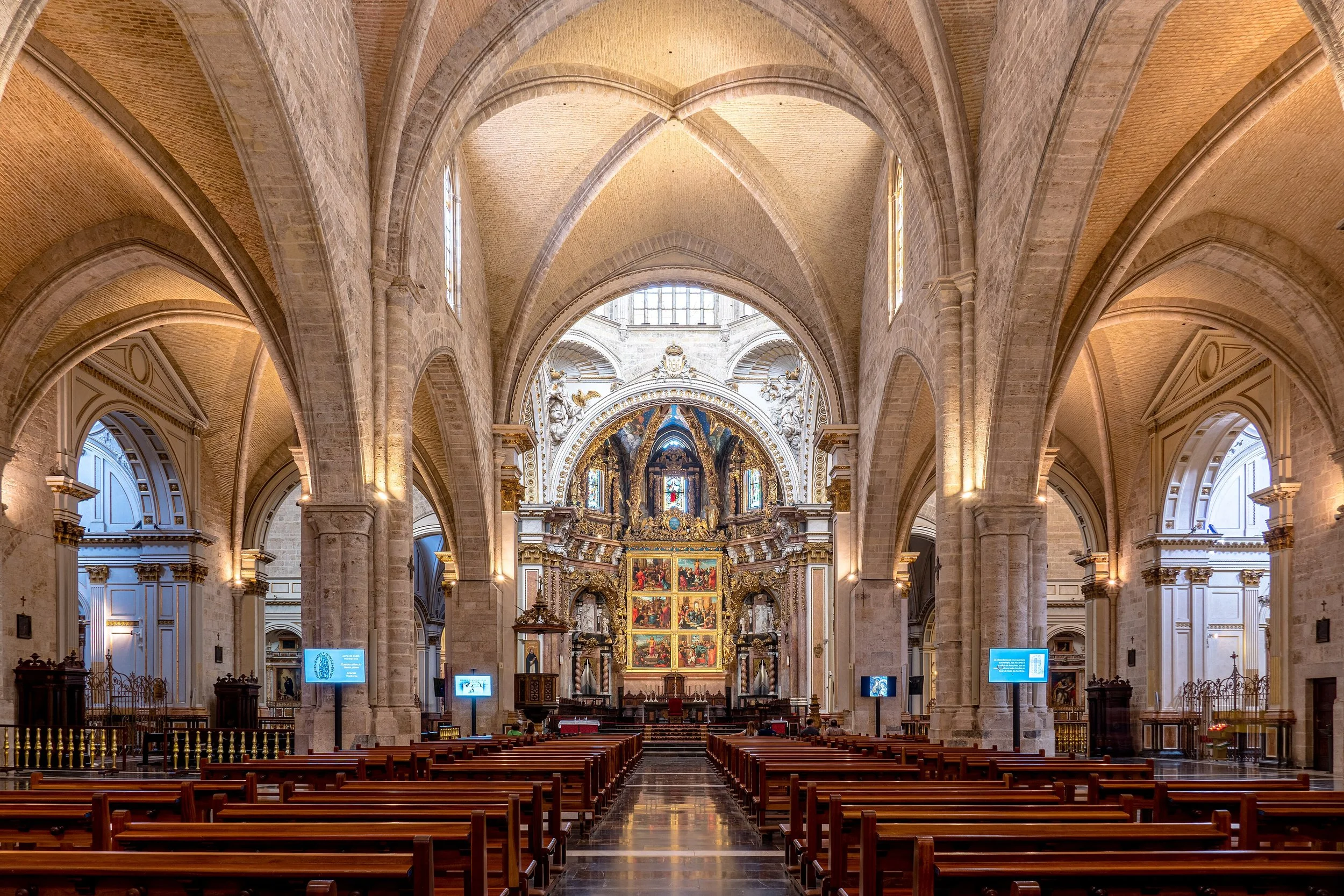
The Valencia Cathedral. Photo credit
The Kingdom was formally abolished and absorbed into the growing Kingdom of Spain in 1707 by Philip V, and existed as an internal division of Spain until the 1982 Statute of Autonomy which restored the region’s cultural and linguistic independence within the modern federal, constitutional monarchy.
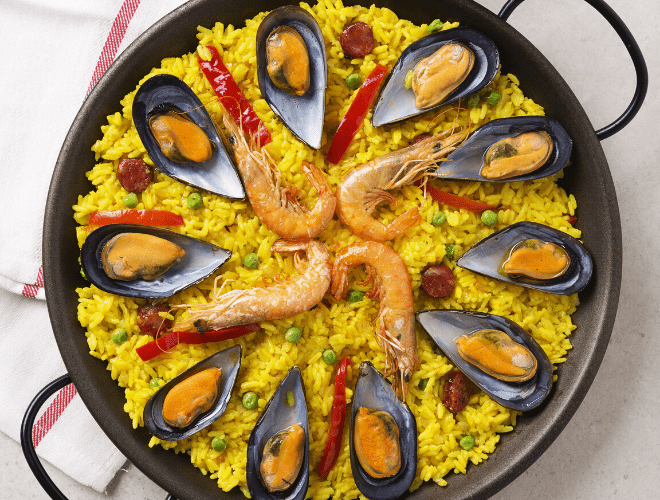
“Paella Valenciana- the “national dish” made with Bomba rice and mixed proteins including various shellfish, chicken and rabbit, and cooked in a classic steel paella pan.
”
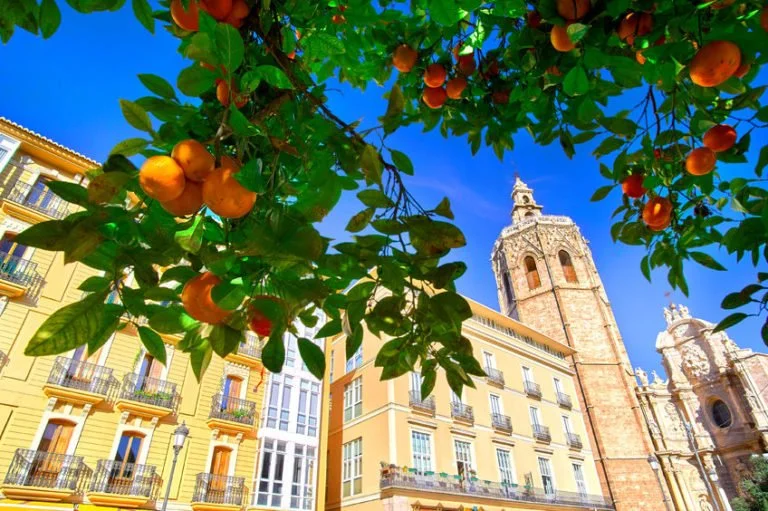
“Orange trees, originally brought to Valencia by the Moors in the 10th Century, were the basis for the city’s wealth.”
Bodegas Reymos
The region’s climate is firmly Mediterranean, with warm dry summers and cool, rainy winters. Citrus and palm trees thrive, and the temperature rarely touches freezing.
Diverse soils lend to a diversity of grape varieties, from light crisp white Merseguera to juicy red Bobal and rich, brooding Monastrell. The region is probably best known for its Muscat and Malvasia, used to make sweet and dry, still and sparkling wines.
The area is dominated by small growers organized into cooperatives. One of the most important is Anecoop, a large agribusiness which in turn owns Bodegas Reymos, their wine arm.
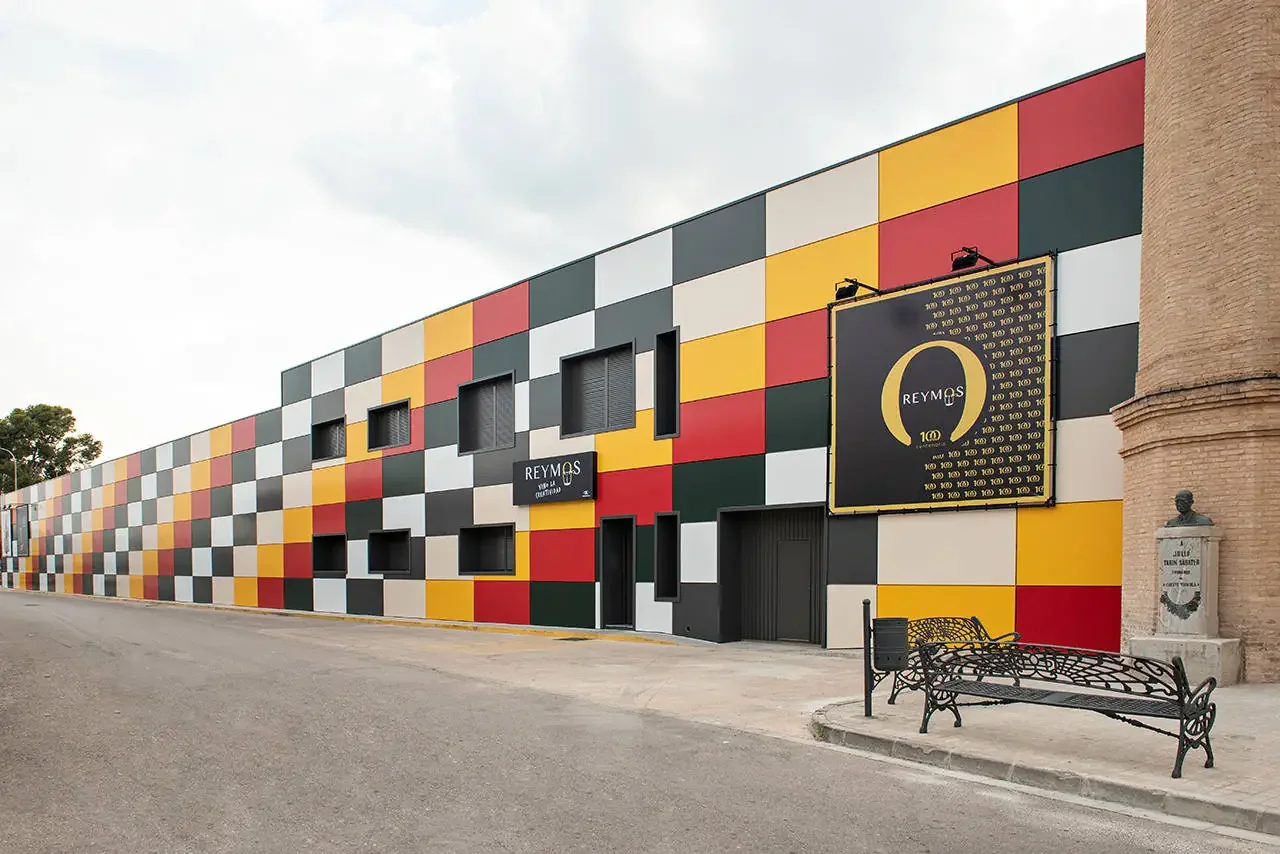
Bodegas Reymos HQ in Cheste
Founded in 1918, Reymos is the first and oldest cooperative in the Valencia region. The winery is in the village of Cheste, with nearby vineyards at around 650ft elevation on a mix of iron rich for the reds) and chalky (for the whites) soils. Their 450 coop members control some 4900 acres of vineyard, planted 90% to Moscatel with the other 10% a mix of Malvasia, Merseguera, Garnacha, Bobal and Monastrell. Reymos produces a large range of wines from its extensive plantings. We focus on two- both sparkling and both great values.
The wines
L’Encert Brut Valenciana NV: This blend of 70% Malvasia and 30% Macabeo is bright and crisp, with lots of pungency in the Malvasia-driven fruit. Easy finish, bright and juicy. Charmat.
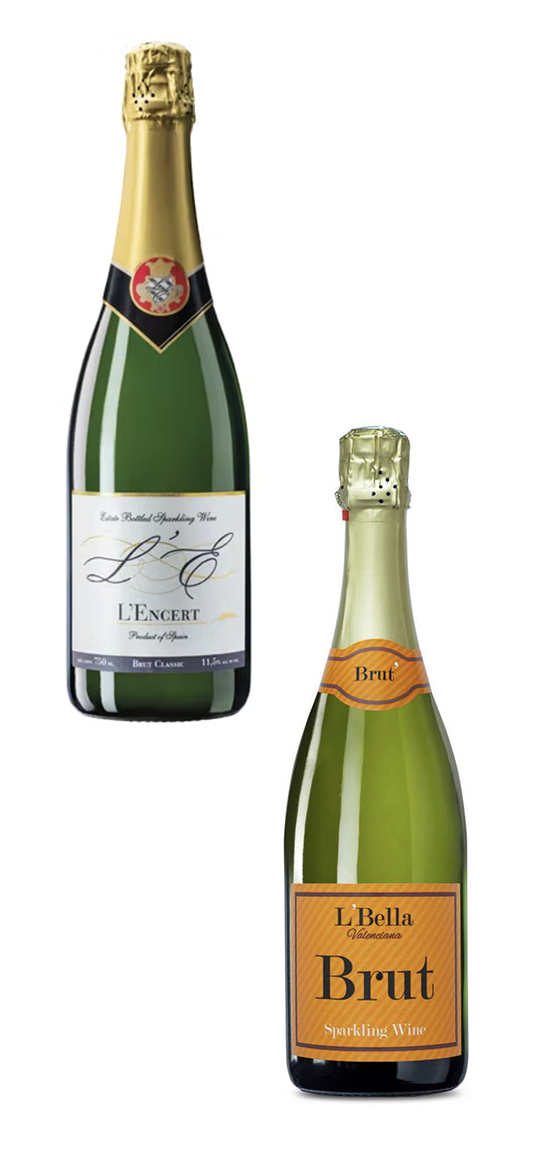
L’Bella Valenciana Brut NV: 85% Macabeu, 15% Malvasia. Good acidity, notes of white flowers and peach fruit. Fresh, clean finish. Charmat.

The City of Arts and Sciences, Valencia. Photo credit